
Best Durable Streetwear Brands for Men & Women
Table of Contents
- What Makes Durable Streetwear Brands Worth Buying
- Why Heavyweight Cotton Streetwear Outlasts the Rest
-
The Best Durable Streetwear Brands Ranked
- 1. DAU-SON: Individually Finished Washes Built for Repeat Wear
- 2. Stüssy: Surf and Skate Heritage with 270 GSM Cotton
- 3. Fear of God Essentials: Minimalist Staples in Premium French Terry
- 4. Dickies: Skate-Approved Workwear That Refuses to Quit
- 5. Kith: Luxury Collaborations with Meticulous Garment Construction
- 6. Stone Island: Textile Innovation for Extreme Durability
- 7. A Bathing Ape (BAPE): Limited Edition Precision with High Resale Value
- Unisex Sizing and Gender-Neutral Fit Guide
- Luxury vs. Accessible Streetwear: Where to Spend Your Money
- How to Care for Streetwear So It Lasts for Years
- Which Durable Streetwear Brand Should You Buy?
- Frequently Asked Questions
Last Updated: August 29, 2026
Most streetwear buyers learn the hard way: a graphic tee that looks incredible on the rack turns into a misshapen, faded ghost of itself after six months of regular wear. The best durable streetwear brands share a narrow set of technical traits: heavyweight fabric weights, reinforced seam construction, and finishing processes that protect color and structure through repeated washing. This guide breaks down exactly what those traits are, which brands deliver on them, and how to care for your pieces so they last for years.
Quick Picks:
- Best Overall: DAU-SON, heavyweight unisex construction with individually finished washes built for repeat wear
- Best Heritage Value: Stüssy, 270 GSM cotton with decades of proven durability
- Best Budget Workhorse: Dickies, skate-approved workwear construction at accessible price points
- Best Minimalist Staple: Fear of God Essentials, premium French terry with an oversized, timeless silhouette
- Best Textile Innovation: Stone Island, advanced fabric treatments for extreme durability
What Makes Durable Streetwear Brands Worth Buying
Durable streetwear brands are worth buying because the cost-per-wear calculation flips entirely when a garment lasts three to five years instead of one. The key is knowing which technical specifications actually predict longevity.
Fabric Weight and GSM: The Numbers That Matter
GSM (grams per square meter) measures how much fiber is packed into each square meter of fabric. Standard fast-fashion tees land between 140-160 GSM, while the best durable streetwear brands work in the 240-300 GSM range. Higher GSM resists pilling, holds its shape through washing, and creates a substantial hand-feel that improves with wear. High-grade ring-spun or combed cotton at 270 GSM feels noticeably softer than cheap cotton at 180 GSM because the fiber preparation removes short, coarse strands before spinning. For hoodies and sweatshirts, look for 300-400 GSM; for tees and long-sleeves, 220-280 GSM is the sweet spot between durability and breathability.
Garment Construction: Stitching, Seams, and Finishing
Seam construction is where garments actually fail. Double-stitched seams at stress points, shoulders, underarms, side panels, are the baseline for durability. Flatlock stitching lies flat against the skin and distributes tension across a wider area, reducing seam separation. Bartack stitching at pocket corners and hem edges, reinforced ribbing at cuffs and waistbands, and clean interior seam tape on outerwear all signal that a brand thinks about how a garment wears over time. According to Textile Exchange's fiber and materials reporting, garment longevity is directly tied to construction quality at the seam level.
Why Heavyweight Cotton Streetwear Outlasts the Rest
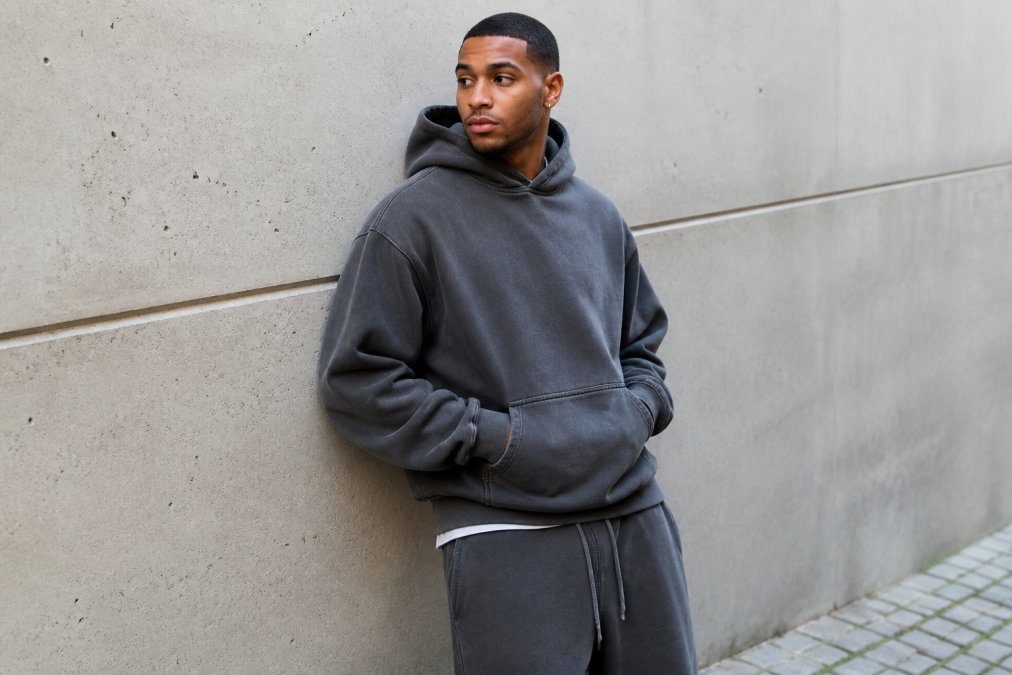
Heavyweight cotton streetwear outlasts lighter alternatives because the fabric structure is fundamentally more resistant to mechanical stress. Every wash cycle agitates fibers against each other. Thinner fabrics with lower thread counts lose structural integrity faster, while heavyweight constructions absorb that stress without breaking down. After 50 or more wash cycles, lightweight garments often show pilling, color fading, and distortion at the collar and hem, while heavyweight pieces frequently look better as the cotton softens and conforms to the body without losing structure.
Shrink Resistance, Colorfastness, and Breathability
Shrink resistance depends on pre-shrinking treatment during manufacturing. Quality brands either pre-shrink their fabric or use a sanforizing process that stabilizes the cotton before cutting and sewing. Individually finished wash processes, like those used by DAU-SON, also pre-stress the fabric so post-purchase shrinkage is minimal.
Colorfastness measures how well dye bonds to fiber. Reactive dyes form a chemical bond with the cotton molecule rather than sitting on the surface, producing colors that resist fading through repeated washing. According to American Association of Textile Chemists and Colorists standards, standardized colorfastness testing evaluates both wash and light exposure resistance.
Breathability is a function of weave structure, not just weight. The best heavyweight cotton streetwear balances fiber density with open weave structures that regulate temperature without sacrificing durability.
The Best Durable Streetwear Brands Ranked
The brands below were evaluated on fabric weight, construction quality, wash performance, and long-term wearability.
1. DAU-SON: Individually Finished Washes Built for Repeat Wear
DAU-SON earns the top position because it addresses the core problem most streetwear brands ignore: how a garment ages. Every piece is built from heavyweight, premium fabrics and goes through an individually finished wash process that pre-stresses the cotton so the garment arrives already broken in, with minimal post-purchase shrinkage. The relaxed, unisex fit is engineered for versatility rather than trend-chasing, and pieces are designed to look and feel better over time.
2. Stüssy: Surf and Skate Heritage with 270 GSM Cotton
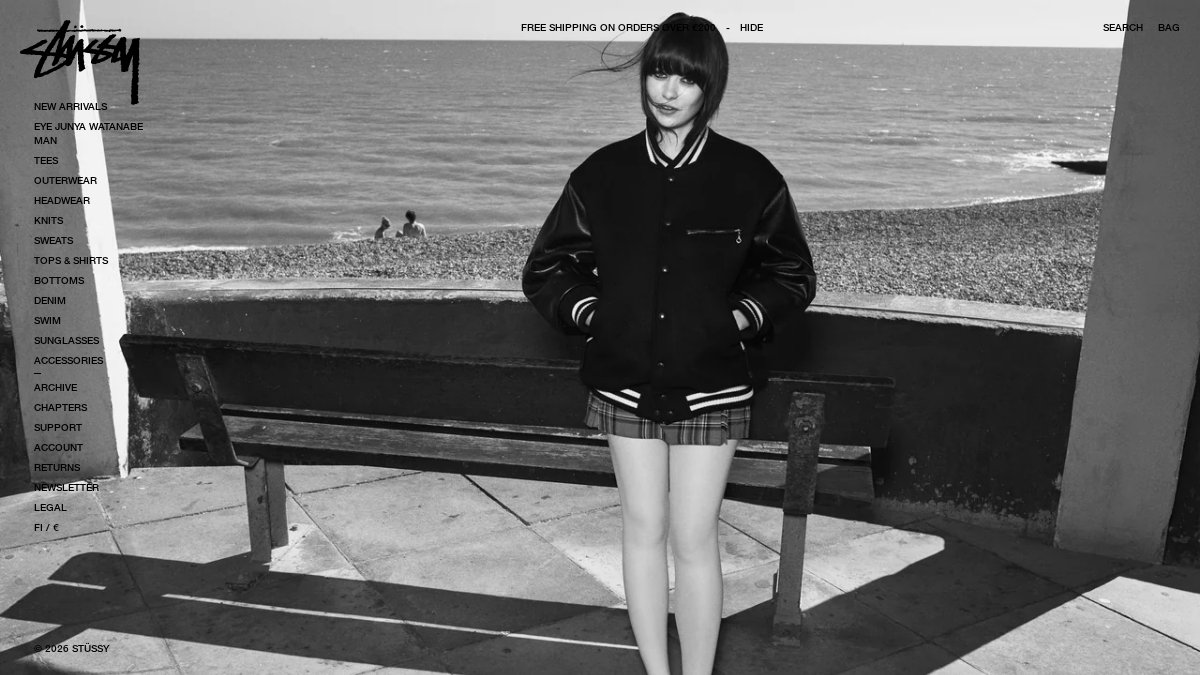
Stüssy's durability credentials come from decades of making clothing for people who actually use it. Surf and skate culture has always demanded garments that hold up under physical stress and repeated washing. The brand's heavyweight pieces regularly use 270 GSM cotton, producing a substantial hand-feel and genuine wash durability. Canvas jackets and denim shirts from Stüssy are among the most consistently durable pieces in accessible streetwear.
3. Fear of God Essentials: Minimalist Staples in Premium French Terry
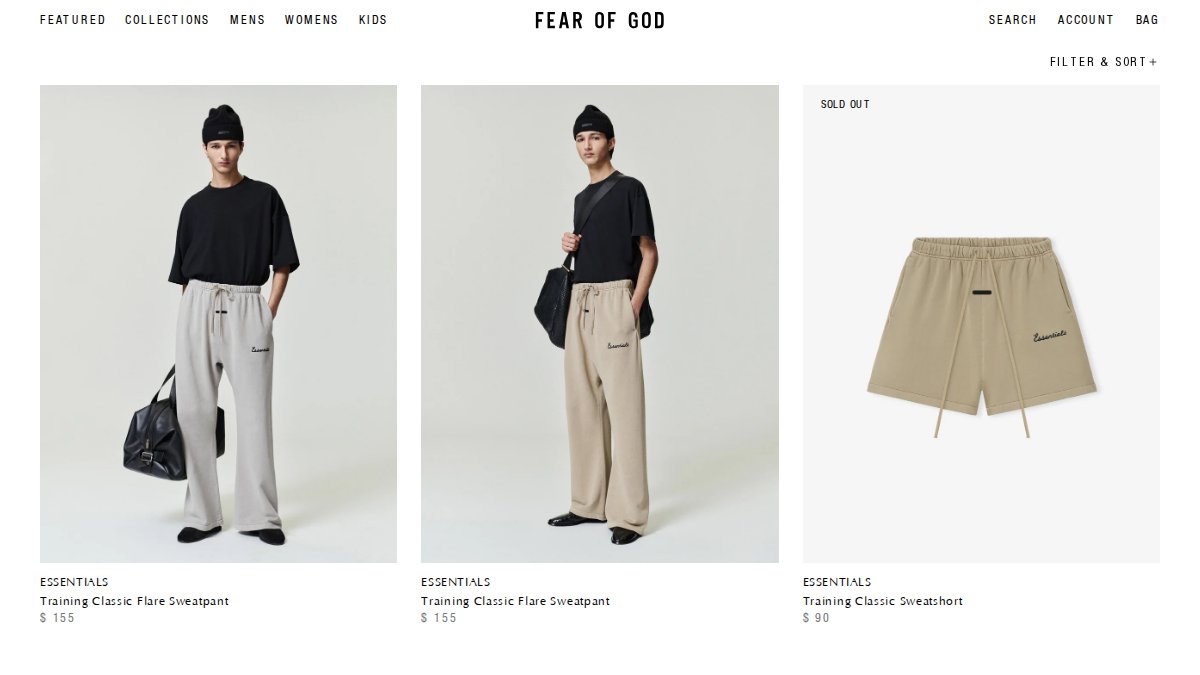
Fear of God Essentials uses premium French terry and heavyweight cotton constructions with oversized fits rooted in 1990s skate and hip-hop culture. The neutral color palette and subtle branding mean these pieces integrate into any wardrobe without expiring with a trend cycle. French terry offers excellent breathability alongside the warmth and structure of heavier fabrics, with consistently good construction quality for the price point.
4. Dickies: Skate-Approved Workwear That Refuses to Quit
Dickies was designed to survive construction sites and factory floors. Skate culture adopted it precisely because those durability standards translated directly to street use. The 874 Work Pant has been in continuous production for decades because the construction is genuinely difficult to improve on: tough fabric, reinforced seams, and a relaxed fit that allows full range of motion. Dickies fabrics hold their shape through repeated washing in a way that most purpose-built streetwear does not.

5. Kith: Luxury Collaborations with Meticulous Garment Construction
Kith sits at the luxury end of the accessible streetwear spectrum, where the price point is justified by genuinely meticulous garment construction. Premium cotton blends, high-grade materials, and careful attention to stitching and finishing produce pieces that age gracefully. Pieces are designed to maintain their appearance over time, and the tailored, flattering fits avoid the shapeless quality that plagues some oversized streetwear.

6. Stone Island: Textile Innovation for Extreme Durability
Stone Island's entire identity is built around textile research and experimentation, materials that are water-resistant, heat-reactive, or treated with dyeing processes that do not exist elsewhere in fashion. For buyers who prioritize functional durability over aesthetic trends, Stone Island's outerwear represents the technical ceiling of what streetwear construction can achieve.

7. A Bathing Ape (BAPE): Limited Edition Precision with High Resale Value
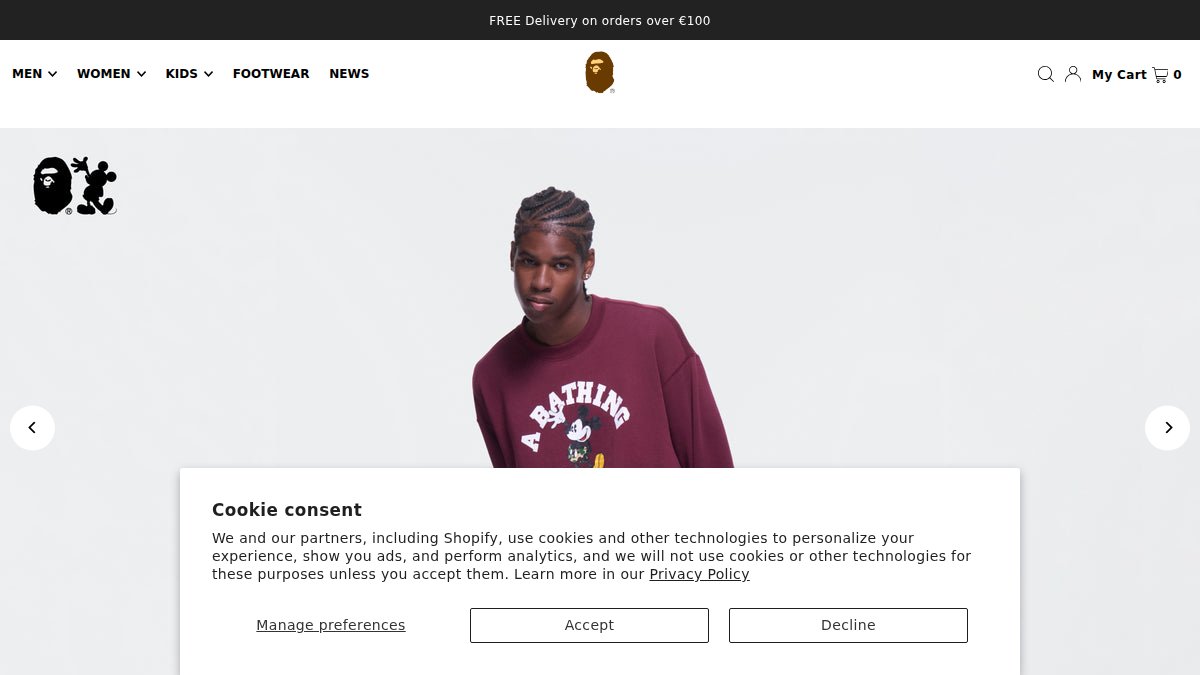
BAPE's construction quality, particularly for pieces produced in Japan, is genuinely high, superior fabrics, precision stitching, and long-lasting print processes. The iconic camouflage patterns and ape head logo are executed with a level of detail that holds up through regular wear. BAPE's price premium is substantially driven by brand identity and drop culture exclusivity rather than construction alone, making it valuable if resale value matters to you.
Unisex Sizing and Gender-Neutral Fit Guide
Gender-neutral sizing in streetwear is genuinely useful when executed correctly and genuinely frustrating when it is just a relabeled men's fit. The difference comes down to whether the brand has actually considered shoulder width, torso length, and hip proportions across different body types.
| Body Type | Sizing Strategy | Key Measurement |
|---|---|---|
| Broader shoulders, narrower hips | Size down from your usual unisex size | Shoulder seam placement |
| Narrower shoulders, wider hips | Size up and assess torso length | Chest width at underarm |
| Taller frame | Prioritize brands with longer torso cuts | Body length measurement |
| Shorter frame | Cropped or standard cuts; avoid oversized on smaller frames | Sleeve length |
| Athletic build | Check chest and sleeve measurements, not just size label | Chest circumference |
A common mistake when buying unisex streetwear is defaulting to your usual size without checking the brand's specific measurements. Always cross-reference the brand's size chart against your actual chest, shoulder, and body length measurements.
Luxury vs. Accessible Streetwear: Where to Spend Your Money
The most useful way to frame this decision is not luxury versus budget, it is construction quality versus brand premium. Accessible durable streetwear brands like Dickies and Stüssy deliver genuine construction quality at price points that make building a full wardrobe practical. For everyday wear, this tier is often the smarter spend.
Luxury streetwear brands like Stone Island and Kith make sense when you are buying fewer pieces with a longer intended lifespan, or when specific technical properties are genuinely relevant to how you use the garment. The middle tier, brands like DAU-SON, Fear of God Essentials, and Stüssy, often represents the best value for buyers who want genuine construction quality without paying for pure brand equity.
How to Care for Streetwear So It Lasts for Years
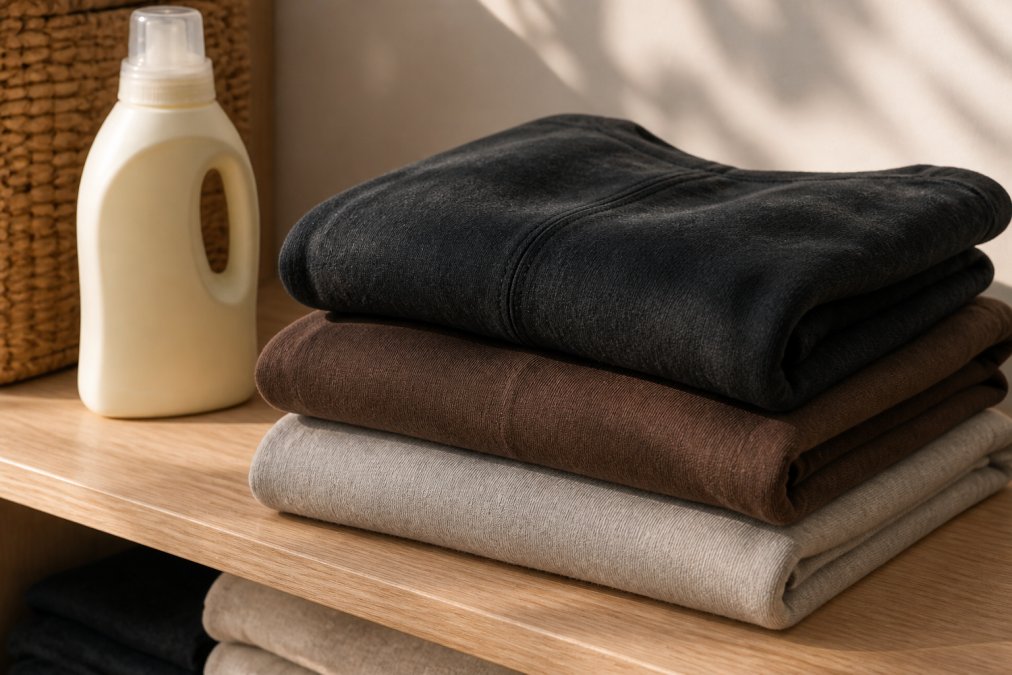
Proper care for heavyweight cotton streetwear extends garment life significantly. Most damage happens not from wear but from improper washing and storage. Heat, aggressive detergents, and compression are the primary enemies of garment structure.
Washing: Temperature, Cycle, and Detergent
Cold water washing is the single most effective change most people can make to extend garment life. Heat is the primary cause of both shrinkage and color fading in cotton garments. A gentle or delicate cycle reduces mechanical agitation, which is the primary cause of pilling in heavyweight cotton. Turn garments inside out before washing to protect surface finishes and graphic prints.
Detergent choice is frequently overlooked. Standard detergents contain optical brighteners and enzymes that degrade cotton fibers and strip dye over time. A mild, color-safe detergent without brighteners preserves both fabric integrity and colorfastness.
Drying and Storage to Protect Fit and Silhouette
Machine drying on high heat destroys an expensive streetwear purchase. Air drying, laid flat or hung on a wide hanger, preserves the garment's engineered silhouette. If machine drying is necessary, use the lowest heat setting and remove the garment while still slightly damp.
Storage for heavyweight pieces should avoid compression. Heavy compression can permanently crease heavyweight cotton and distort ribbed cuffs and hems over time. For outerwear with technical treatments, hanging storage on a wide hanger is preferable to folding. Following care label guidelines precisely is the most reliable path to multi-year garment life. For detailed fiber care guidance, the Federal Trade Commission's care labeling requirements for textile products establish the baseline standards that brands must follow when providing care instructions.
Which Durable Streetwear Brand Should You Buy?
The right choice depends on what you are optimizing for:
| Brand | Best For | Price Tier | Durability Strength |
|---|---|---|---|
| DAU-SON | Unisex everyday wear, unique washes | Mid | Heavyweight fabric, individually finished washes |
| Stüssy | Heritage streetwear, proven quality | Mid | 270 GSM cotton, durable stitching |
| Fear of God Essentials | Minimalist capsule wardrobe | Mid-High | French terry, oversized timeless fit |
| Dickies | Budget workwear durability | Accessible | Reinforced construction, shape retention |
| Kith | Luxury basics, collaboration pieces | High | Premium cotton blends, meticulous finishing |
| Stone Island | Technical outerwear, extreme conditions | Premium | Advanced textile treatments |
| BAPE | Collector pieces, resale value | Premium | Precision stitching, limited-edition prints |
For most buyers building a durable streetwear wardrobe, start with one or two mid-tier brands. DAU-SON's heavyweight, unisex construction makes it the strongest starting point for everyday essentials. Dickies fills the workwear-derived utility wear slot at a price point that makes multiples practical. Stüssy covers the heritage streetwear aesthetic with proven construction. Fear of God Essentials handles the minimalist, neutral-palette staples.
The brands worth saving for: Stone Island for outerwear when you are ready to commit to a single technical piece, and Kith for specific collaboration releases that align with your aesthetic.
Frequently Asked Questions
Q: What materials make streetwear clothing more durable?
A: Heavyweight cotton is the most reliable indicator of durability in streetwear. Look for fabrics rated at 280 GSM or higher, heavier weight means better resistance to pilling, tearing, and shape loss after washing. Reinforced stitching at stress points like armholes and cuffs adds structural longevity. French terry and dense cotton fleece also hold up well under repeated wear. Avoid thin jersey blends under 180 GSM if long-term durability is your priority.
Q: How can you tell if a durable streetwear brand is worth the price?
A: Check the fabric weight (GSM), seam construction, and wash treatment before buying. Brands that publish fabric specs, use individually finished washes, or emphasize repeat-wear performance are signaling genuine quality. Inspect stitching density and whether stress seams are double-stitched. A higher price tag alone means nothing, some premium-priced brands use the same mid-weight cotton as fast fashion. Focus on construction details and the brand's stated commitment to garment longevity.
Q: Are there unisex streetwear brands that focus on garment longevity?
A: Yes. DAU-SON is built specifically around unisex design and repeat-wear durability, using heavyweight fabrics and individually finished washes that improve with age. The brand's relaxed fit is proportioned to work across body types rather than defaulting to a masculine cut. Other brands like Fear of God Essentials and Stüssy offer gender-neutral silhouettes.
Q: How should you care for high-quality streetwear to ensure it lasts?
A: Turn garments inside out before washing to protect surface finishes and printed graphics. Use cold water on a gentle cycle with a mild detergent, hot water accelerates shrinkage and color fade. Avoid tumble drying on high heat; air drying or low heat preserves the fabric's weight and fit. For heavyweight cotton pieces, reshape them while damp and lay flat to dry. Store folded rather than hung to prevent shoulder distortion on oversized or relaxed-fit silhouettes.
Q: Why is heavyweight fabric preferred in durable streetwear?
A: Heavier fabrics resist the mechanical stress of repeated washing and daily wear far better than lightweight alternatives. A 300 GSM cotton hoodie, for example, holds its structure and color significantly longer than a 180 GSM version of the same garment. Heavyweight cotton also drapes with more presence, which is why it defines the oversized fit aesthetic in contemporary streetwear. The added density improves breathability regulation and reduces pilling, making each piece genuinely street-ready for years.
Shop The Drop at DAU-SON and build your wardrobe around heavyweight pieces that genuinely improve with age. The individually finished washes, relaxed unisex fits, and heavyweight premium fabrics are engineered for repeat wear, not for the first six months, but for the years that follow.
This article was written using GrandRanker